Temple City Homes for Sale & Real Estate Market
Reviewed by Bryan Nguyen, Broker of Record · CA DRE #01972339 · Updated October 2026
Temple City is a compact, flat grid of tree-lined residential streets south of Arcadia, organized around the Las Tunas Drive commercial corridor and known for the Camellia Festival it has run each winter for generations. The housing stock is predominantly postwar single-family homes, with a steady infill of newer construction on the same lots. Temple City Unified School District serves most of the city and is the market's central draw, while the southeastern portion falls into El Monte-area districts, so assignments vary by address.
90 active listings from $188,000 to $5,900,000
Homes for Sale in Temple City
VIEW ALL 90 HOMES →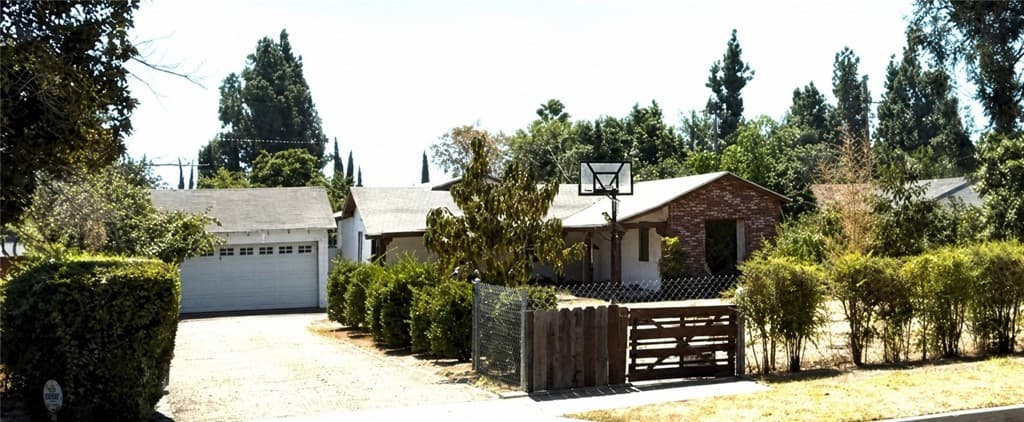
$1,348,000
9928 Howland, Temple City
BEDS
3
BATHS
1
SQFT
1,618
STATUS
ACTIVE
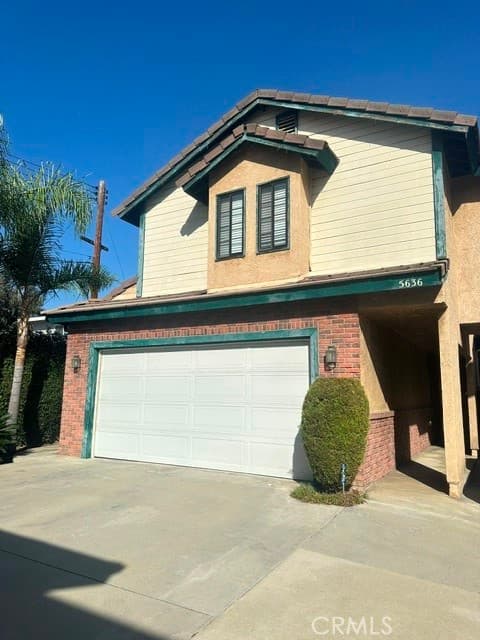
$939,000
5636 Mcculloch, Temple City
BEDS
3
BATHS
3
SQFT
1,605
STATUS
ACTIVE
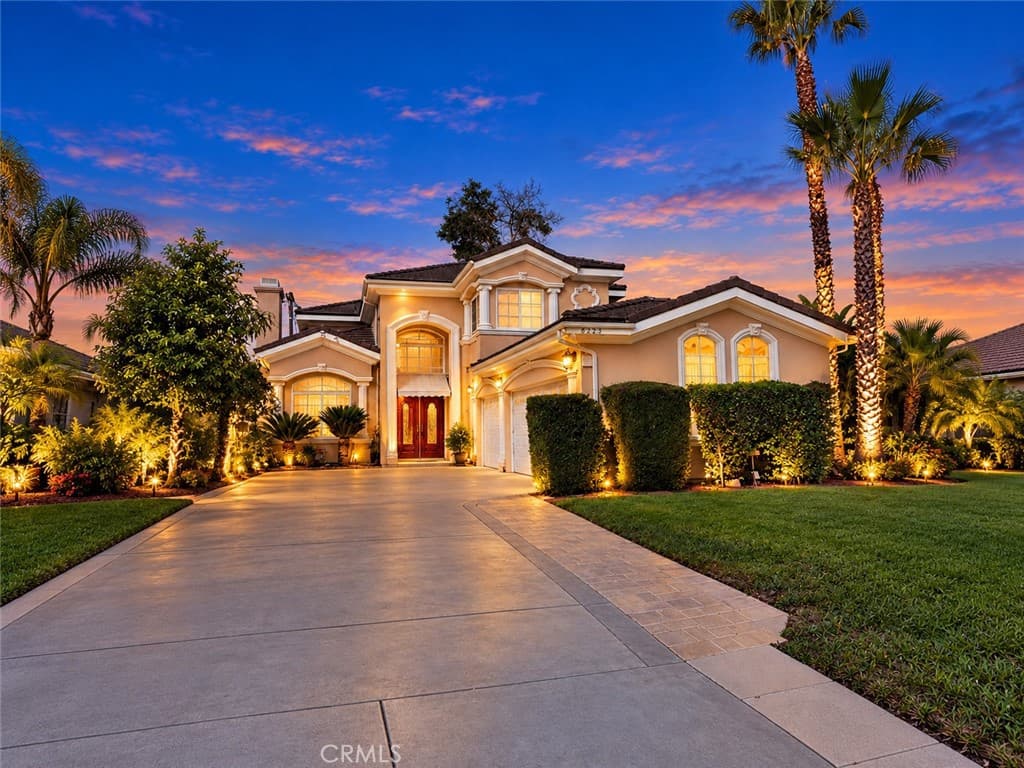
$1,798,000
6223 Ivar Avenue, Temple City
BEDS
4
BATHS
4
SQFT
3,062
STATUS
ACTIVE
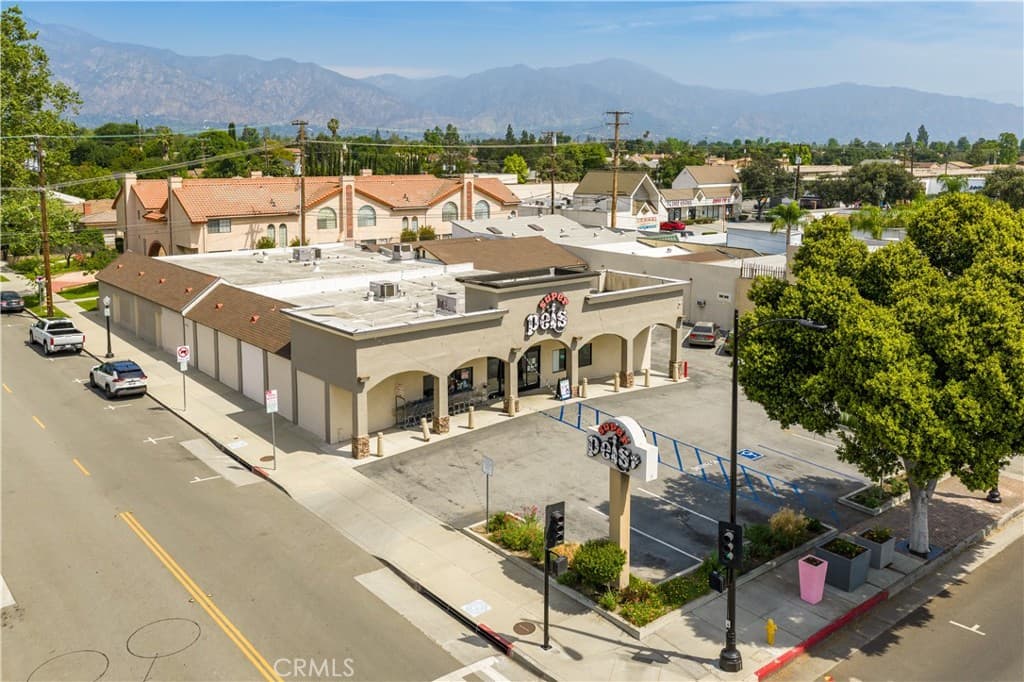
$2,695,000
5912 Alessandro Avenue, Temple City
BEDS
0
BATHS
0
SQFT
0
STATUS
ACTIVE
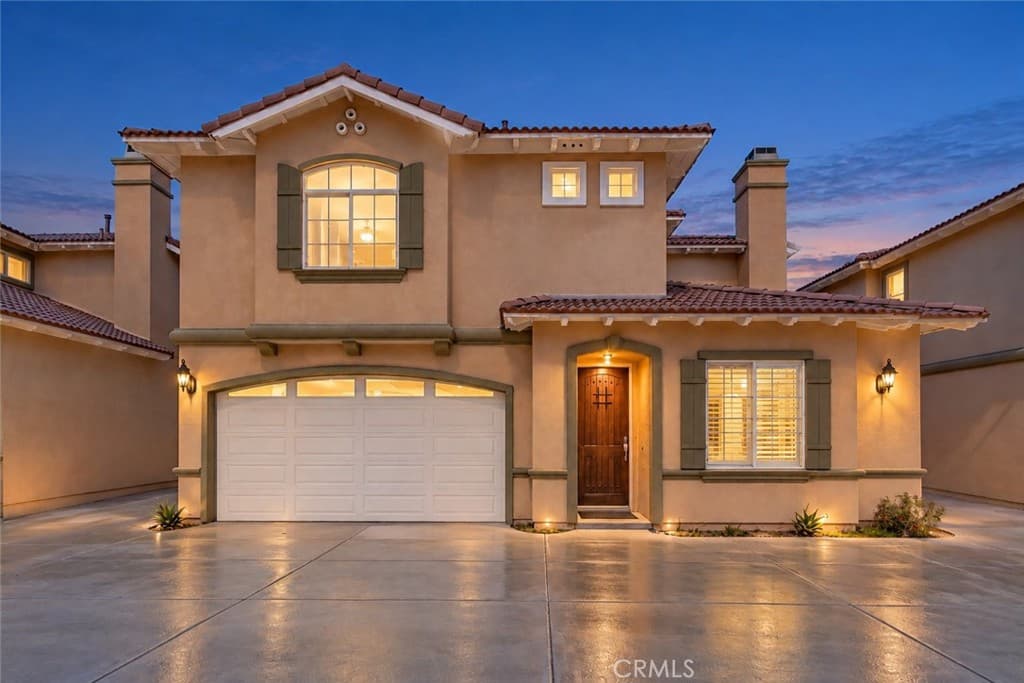
$1,198,000
5650 Sultana Avenue, Temple City
BEDS
4
BATHS
3
SQFT
1,987
STATUS
ACTIVE
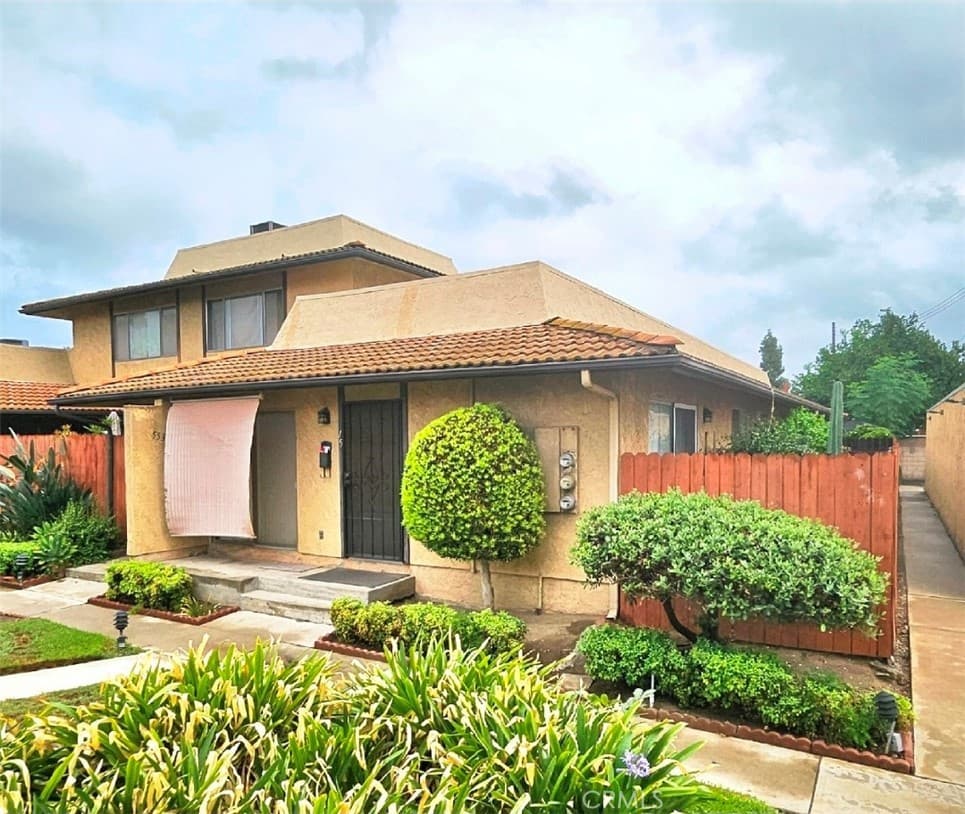
$550,000
5530 Welland Ave. 15, Temple City
BEDS
2
BATHS
1
SQFT
880
STATUS
ACTIVE
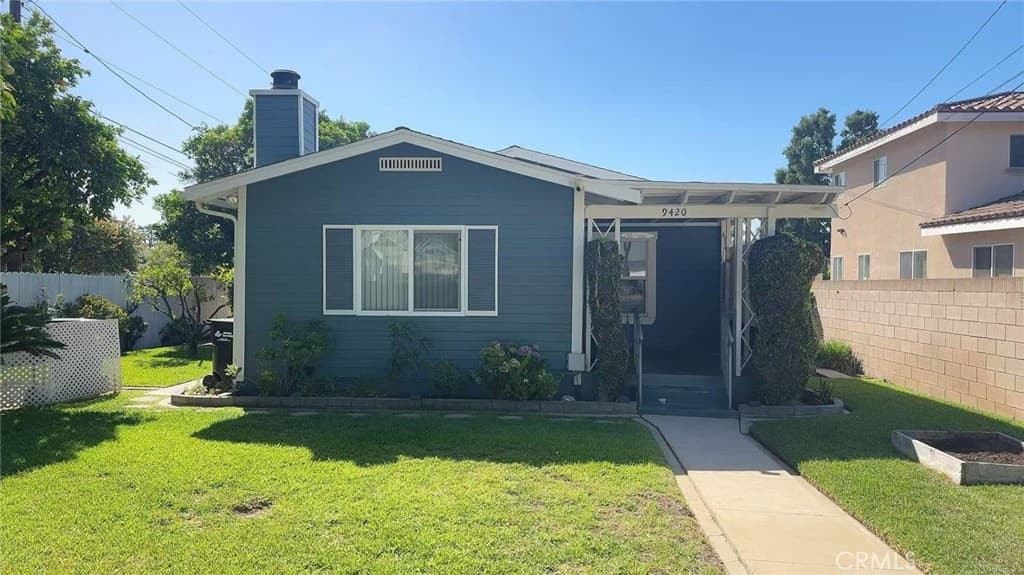
$1,248,000
9420 Olive St, Temple City
BEDS
3
BATHS
2
SQFT
1,624
STATUS
ACTIVE
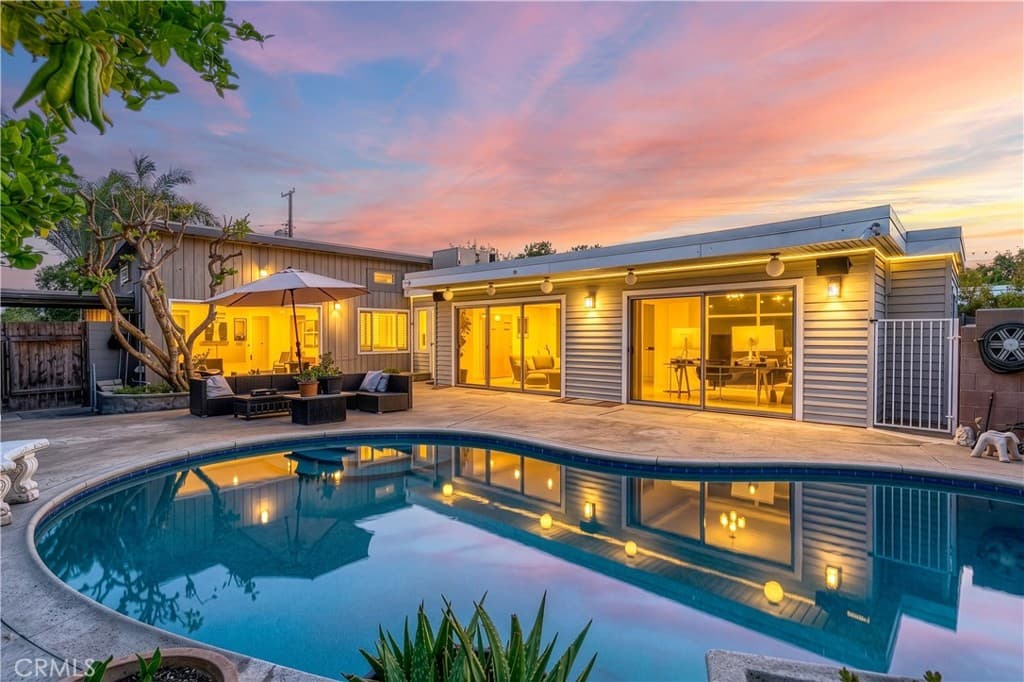
$1,178,000
5124 Daleview Avenue, Temple City
BEDS
4
BATHS
2
SQFT
1,976
STATUS
ACTIVE
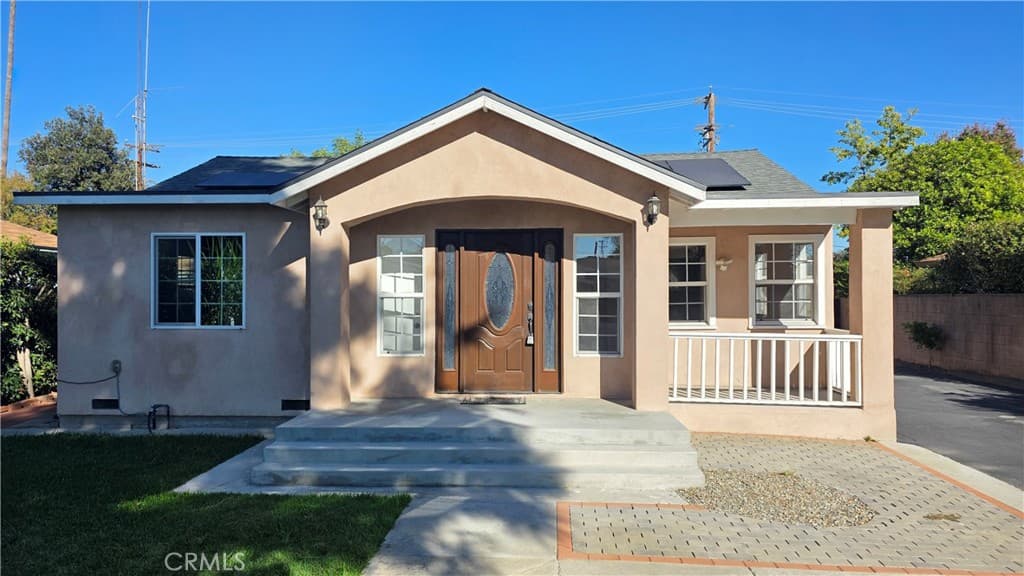
$1,598,000
5638 Persimmon, Temple City
BEDS
5
BATHS
4
SQFT
2,617
STATUS
ACTIVE
Frequently Asked Questions
- What is the median home price in Temple City?
- Temple City generally prices as the attainable neighbor of the Arcadia and San Marino school markets: a meaningful step below both, while offering its own well-regarded district. Within the city, the spread runs between original postwar homes and the newer construction that has replaced them one lot at a time, and between addresses inside and outside the Temple City Unified boundary. Because the grid is unusually uniform, comparisons here are cleaner than in the foothill cities, which makes pricing more legible for both sides. Current medians, price per square foot, and days on market are on our Temple City market data page, refreshed from the MLS every 15 minutes.
- Which school district serves Temple City?
- Temple City Unified serves most of the city, including Temple City High School, and its boundary also reaches small parts of neighboring Arcadia and San Gabriel. But not every Temple City address is in the district: the southeastern portion of the city is served by El Monte-area districts instead. That split makes address-level verification essential here, because two similar homes a few blocks apart can carry different assignments and price accordingly. Confirm the district and assigned schools for the specific parcel before writing an offer.
- What is Temple City known for?
- The Camellia Festival, the Las Tunas corridor, and a reputation as one of the San Gabriel Valley's steadiest family markets. The festival and its parade have run since the 1940s and give the city a small-town civic identity unusual for the region. Las Tunas Drive concentrates the city's dining and shopping within a short drive of every neighborhood. Housing-wise, the draw is straightforward: a regarded school district, a quiet uniform grid, and an entry price below the neighboring prestige markets.
- Is there new construction in Temple City?
- Yes, continuously, but lot by lot rather than by subdivision. Temple City's version of the rebuild wave runs gentler than Arcadia's: original postwar homes are replaced or heavily expanded on individual lots, so most blocks mix eras. For buyers, that means checking each home's actual vintage and permit history rather than assuming from the streetscape. Accessory dwelling units are also increasingly common on the deeper lots, which matters both as rental potential for buyers and as a comparison wrinkle when a nearby sale included one.
The Temple City Market
Temple City is the corridor's most legible market, and legibility is worth money in both directions. The city is a flat, consistent grid of similar lot sizes and similar eras, which means comparable sales actually compare, pricing errors surface quickly, and both buyers and sellers can see the market clearly. After the foothill cities, where every home is an exception, Temple City's ordinariness is its analytical virtue.
The market's engine is the school district at a discount to its neighbors. Temple City Unified draws families who are shopping the same quality-of-schools question as Arcadia and San Marino buyers but underwriting a lower price point, and that keeps demand steady through cycles that shake looser markets. The corollary is the district boundary inside the city: the southeastern blocks assigned to El Monte-area districts price differently than the Temple City Unified core, and the gap is the city's most important internal line. Any Temple City valuation that does not begin with the district assignment is not a valuation yet.
The housing stock tells a one-lot-at-a-time renewal story. Unlike Arcadia's block-scale rebuild wave, Temple City replaces itself gradually, so a typical street holds original ranches, expanded originals, and full rebuilds in no particular order. That mix rewards specific diligence, on permits especially, because expansions of varying vintage are common, and it mildly complicates the otherwise clean comps: an original and a rebuild next door are different products. The growing ADU count adds a second wrinkle, since a sale that included a permitted rental unit is not a comp for one that did not.
For sellers, the practical advice is to lean into the clarity. Temple City buyers are comparison shoppers by nature, often crossing between here, south Arcadia, and San Gabriel in one search, and they respond to homes priced squarely against the evidence. For buyers, the advice is patience without paralysis: the grid produces a steady flow of genuinely similar homes, so losing one rarely means losing the market. What it does mean is that when an unusually good lot, location, or district position appears, the regulars recognize it, and it does not last.